Physical Activity
Walking pace, terrain and why the same distance is not the same effort
Step counts flatten differences that matter physiologically. Gradient, surface and speed change the demand of an identical route considerably.
Why distance conceals the demand
Two walks of identical length can differ substantially in physiological demand depending on how fast they were taken and what the ground was like. Speed matters because the energy cost of walking rises steeply at the upper end of comfortable pace rather than in proportion to it. Gradient matters more still, since raising the body against gravity adds a cost that flat walking does not involve at all.
Surface adds another layer, as soft ground, sand and uneven terrain all increase the work required to cover the same ground. A step count captures none of this, which is why two people with identical daily totals can be doing quite different amounts of work.
Where the popular step target came from
The widely used daily step figure did not originate in health research and appears to have entered circulation through the marketing of a pedometer. Later investigation has suggested benefits accumulating well below that figure, with the association flattening somewhat at higher counts. The precise shape varies by outcome and by population, and the honest summary is that more is generally better with diminishing returns.
Treating the round number as a threshold makes anything below it feel like failure, which is the opposite of what the underlying pattern suggests. Its persistence is a good example of how a memorable number outlives the evidence that was later assembled around it.
What pace actually indicates
Walking briskly enough to raise breathing while still allowing conversation is a rough marker of moderate intensity that requires no equipment to apply. This talk-based approach is imprecise and reasonably robust, which suits a context where precision is neither available nor especially useful. Habitual walking speed also tends to decline with age and with certain health conditions, which is why it is sometimes used clinically as an indicator.
That clinical use concerns populations and trends rather than any judgement about an individual, and it should not be read as a personal test. Anyone noticing a marked and unexplained decline in how far or how fast they can walk should mention it to a doctor.
Terrain, attention and why outdoor walking differs
Uneven ground requires continuous small adjustments of balance and foot placement, engaging stabilising muscles that flat indoor surfaces largely do not. This is one reason walking outdoors is not simply the same activity performed in a different location, whatever the distance recorded. There is also reasonable evidence that time in green space is associated with improved mood, though separating that from the activity itself is difficult.
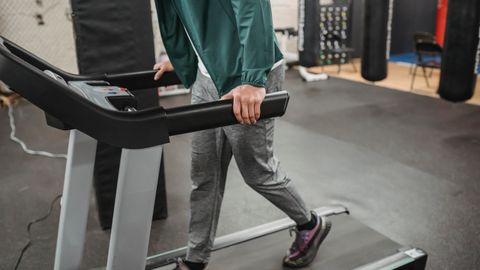
The mechanisms proposed for that association are varied and none of them is settled, which is worth stating given how confidently it is usually reported. The practical point is narrower, that varied terrain adds a component of balance and coordination that a treadmill does not.
Where more care is needed
Walking is among the most accessible activities available and it is not universally low-risk for people with balance problems or certain conditions. Anyone who has fallen, who feels unsteady, or who has been advised to limit activity should discuss what is appropriate with a clinician. Chest discomfort, unusual breathlessness or pain in the legs that appears reliably at a certain distance are reasons to seek assessment rather than to push on.
Footwear and lighting matter more than they sound, particularly for older walkers on uneven or unfamiliar ground. These are practical observations rather than a programme, and individual circumstances change what is sensible considerably.
- Distance is a poor proxy for demand
- Gradient changes the cost substantially
- Step targets are useful as prompts, not thresholds
Also by Priya Patel
- Where the eight-glasses rule came from, and why it survived without supportHydration Tips
- Waking in the small hours: what ordinary sleep architecture looks likeSleep Health
- The gap between a nutrient on a label and a nutrient in a bodyClean Eating
- Reading a health claim: the questions that separate evidence from packagingTop