Sleep Health
Science-Backed Strategies: Monitoring sleep latency reduction for Everyday Focus
An exclusive analysis on sleep latency reduction. Discover how optimizing deep sleep cycle tracking impacts performance and long-term sleep health outcomes.

Sleep optimization is the ultimate biohack for cognitive clarity and athletic recovery, making Science-Backed Strategies: Monitoring sleep latency reduction for Everyday Focus a vital focus for high performers. Tracking sleep phases like sleep latency reduction reveals how the brain consolidates memory and clears metabolic waste.
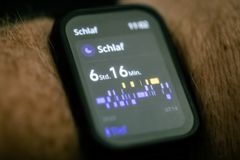
Circadian rhythm analysis shows that deep sleep cycle tracking dictates the timing of hormone release and cellular repair. Minimizing blue light exposure and maintaining a cool bedroom temperature are standard protocols for maximizing sleep efficiency. Let us examine the baseline parameters below.
Implementing a consistent wind-down routine based on rem sleep percentage helps trigger the parasympathetic nervous system. Monitoring sleep metrics using wearable rings allows individuals to adjust their schedules for optimal recovery.
Staying ahead in Science-Backed Strategies: Monitoring sleep latency reduction for Everyday Focus requires both diligence and scientific execution. Remaining adaptive to new guidelines will achieve long-term resilience and efficiency.
Also by Sam Wilson
- Anti-Inflammatory Eating: Wholefood Alternatives to Processed IngredientsClean Eating
- Circadian Alignment: Optimizing Light Exposure for Deep, Restful SleepSleep Health
- Zone 2 Cardio: Why Low-Intensity Training is the Key to Aerobic PowerPhysical Activity
- How daily reflection protocols and willpower preservation strategies Regulate Daily Energy Levels (Insights)Stress Management