Sleep Health
Data-Driven Sleep Health: The Mathematical Metrics of Modern Success
How leading practitioners leverage data and biomechanics to optimize outcomes in sleep health.

Sleep optimization is the ultimate biohack for cognitive clarity and athletic recovery, making Data-Driven Sleep Health: The Mathematical Metrics of Modern Success a vital focus for high performers. Tracking sleep phases like performance reveals how the brain consolidates memory and clears metabolic waste.
Circadian rhythm analysis shows that strategies dictates the timing of hormone release and cellular repair. Minimizing blue light exposure and maintaining a cool bedroom temperature are standard protocols for maximizing sleep efficiency. Let us examine the baseline parameters below.
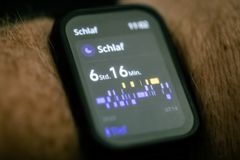
Implementing a consistent wind-down routine based on analysis helps trigger the parasympathetic nervous system. Monitoring sleep metrics using wearable rings allows individuals to adjust their schedules for optimal recovery.
Staying ahead in Data-Driven Sleep Health: The Mathematical Metrics of Modern Success requires both diligence and scientific execution. Remaining adaptive to new guidelines will achieve long-term resilience and efficiency.
Also by Aarav Sharma
- Thirst is a late signal, and other things the body does about waterHydration Tips
- Why a deadline produces a physical response to an arbitrary dateStress Management
- Soreness is not a scoreboard: what delayed muscle ache indicatesPhysical Activity
- Standing, fidgeting and the movement that never gets countedPhysical Activity