Stress Management
Why a deadline produces a physical response to an arbitrary date
The body reacts to a calendar entry much as it reacts to a physical threat. The mechanism explains why the discomfort is not proportionate to the stakes.
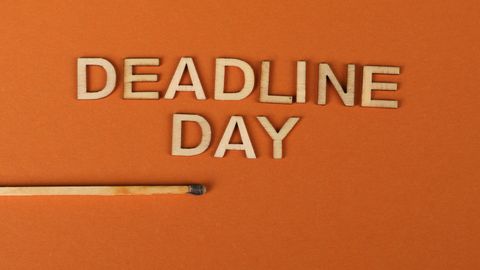
A symbolic threat with a physical response
The system that prepares the body for physical demand does not distinguish clearly between a physical threat and a social or professional one. A date in a calendar therefore produces changes in heart rate, attention and muscle tension that would be appropriate if something were about to happen physically. Because no physical action resolves the situation, the mobilised state persists rather than being discharged by the response it prepared for.
This mismatch between preparation and available action is one of the more useful ways to think about ordinary workplace pressure. It also explains why physical activity often reduces the sensation, since it supplies the discharge the response was arranged for.
Why proximity outweighs importance
The intensity of the response tracks how close something feels rather than how consequential it actually is, which is why trivial imminent tasks feel urgent. A distant deadline of real significance frequently produces less arousal than a minor one arriving tomorrow, which is a poor allocation of attention. This is the same discounting that affects most human decisions about the future, applied to the emotional response rather than to choice.
It explains the familiar pattern in which important long-term work is repeatedly displaced by short-term items of much lower value. Recognising it does not remove it, though it does provide a reason to distrust the ranking that urgency produces.
Ambiguity as an amplifier
A task that is poorly defined produces more arousal than a well-defined one of similar size, because the absence of a clear endpoint prevents any sense of progress. Ambiguity also prevents the response from terminating, since there is no identifiable moment at which the demand has been met. This is a substantial part of why breaking work into specified components changes how it feels, independently of any change in the total amount.
The effect is on the experience rather than on the workload, which is worth being precise about given how such advice is usually sold. Where the ambiguity comes from someone else's unclear expectations, resolving it is a conversation rather than a personal organisational task.
The uncomfortable relationship with performance
Some degree of activation improves performance on many tasks, which is the observation behind the idea that a little pressure is useful. That relationship reverses beyond a certain point, and where the point sits depends on the task, with complex work tolerating less than simple work. The popular curve describing this is often presented more confidently than the underlying evidence supports, and the shape varies considerably.
What is reasonably clear is that people who habitually work to the limit have no capacity left when something unexpected arrives. That absence of margin, rather than the ordinary level of demand, is frequently what turns a busy period into an unmanageable one.
When pressure stops being ordinary
Regular difficulty sleeping before working days, dread that persists through free time, or physical symptoms appearing reliably at work are signals worth attending to. These are common experiences and they are also the ones that precede more serious difficulties if the situation continues unchanged for long enough. Occupational health services, where they exist, are a route that many people do not consider until matters have progressed considerably further.
A doctor is the appropriate place to raise persistent physical symptoms, which should not be attributed to pressure without being assessed. Nothing described here is a technique, and anyone struggling to cope deserves proper support rather than a better understanding of the mechanism.
- Symbolic threats trigger the same physiological machinery
- Proximity matters more than importance
- Breaking a task down reduces the ambiguity that drives arousal
Also by Aarav Sharma
- Thirst is a late signal, and other things the body does about waterHydration Tips
- Soreness is not a scoreboard: what delayed muscle ache indicatesPhysical Activity
- Standing, fidgeting and the movement that never gets countedPhysical Activity
- Why the hour before bed shapes the night that followsSleep Health