Physical Activity
How Step Counts Became A Standard Unit
The step is a convenient unit because it is countable by simple sensors, but it measures ambulation rather than activity and misses intensity, load and non-walking movement.
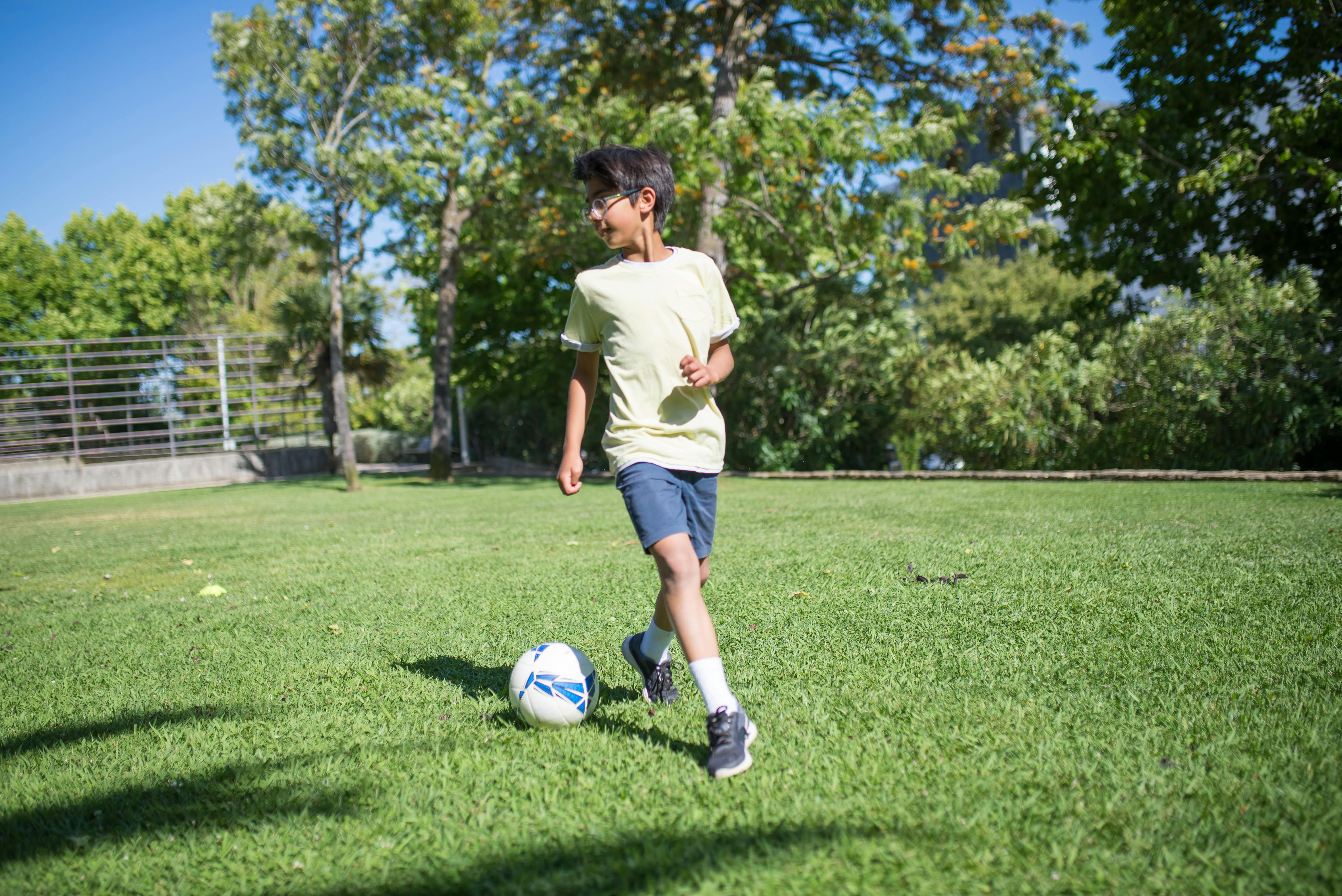
Steps have become the default unit for measuring daily movement. The reasons are largely practical, and the limits of the unit follow directly from how it is detected.
The unit exists because it is easy to detect
Walking produces a repeated acceleration pattern that a small sensor can identify without any other information. No calibration, user input or reference measurement is required.
This made step counting feasible in inexpensive devices long before other measures were practical, and the resulting familiarity entrenched it as the standard.
Widespread round-number targets originated in marketing rather than in physiological research, though later work has examined what different daily totals correspond to.
Detection depends on where the device sits
A wrist-worn sensor infers steps from arm motion, which produces both missed steps and false ones. Pushing a trolley or carrying something suppresses arm swing.
Hip-worn devices track the trunk more directly and tend to differ from wrist devices on the same walk, sometimes substantially.
Slow walking is particularly poorly detected, because the acceleration signature becomes weaker and harder to distinguish from other movement.
Steps say nothing about intensity
A step taken slowly and a step taken briskly count identically, despite differing considerably in physiological demand.
Because guidance is framed in terms of intensity, a step total cannot be translated directly into whether recommendations have been met.
Cadence, the number of steps per minute, is sometimes used as an intensity proxy for this reason, since walking briskly requires a higher step rate.
Even that proxy is imperfect, because the cadence corresponding to a given effort depends on leg length and on the gradient and surface being walked on.
Whole categories of activity are invisible
Cycling, swimming, resistance training and most sports produce few steps while representing substantial activity. A step count records them as near-inactive periods.
Carrying loads, climbing and moving on uneven ground all increase demand without increasing step number, so the unit understates them systematically.
Stair climbing is the clearest case, since the vertical component adds substantial work while the horizontal distance covered, and therefore the step count, remains small.
What the measure is genuinely good for
Steps are a reasonable indicator of ambulatory volume, which is the component of daily movement most people accumulate without planning it.
They are also consistent within a single device, so comparisons across days for one person are more meaningful than comparisons between people or between devices.
Treated as one measure of one thing rather than a summary of activity, the step count is informative. Treated as a total, it omits a great deal.
Also by Dr. Walter Willett
- Cellular Wellness: Deconstructing the Science of protein synthesis timingClean Eating
- Cellular Wellness: Deconstructing the Science of macronutrient ratio balancingClean Eating
- Cellular Wellness: Deconstructing the Science of meal timing optimizationClean Eating
- Cellular Wellness: Deconstructing the Science of electrolyte balance trackingClean Eating