Hydration Tips
Heat, humidity and why the same day dehydrates two people differently
Sweat is a cooling mechanism whose effectiveness depends on the air around it. Individual variation in how much is produced is larger than most people expect.
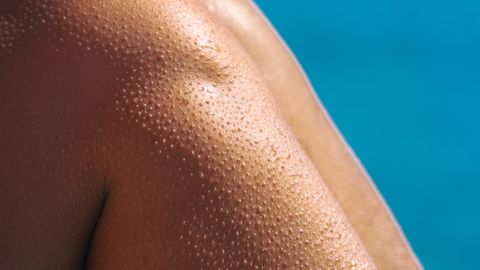
Evaporation is the actual mechanism
Sweat cools the body by evaporating from the skin, since the change from liquid to vapour removes heat from the surface it leaves. Sweat that drips off without evaporating has cost the body water while providing very little cooling in return, which is an inefficient outcome. This is why humidity matters so much, as air already carrying a great deal of moisture accepts additional vapour slowly.
The same temperature therefore feels and behaves quite differently in dry and humid conditions, and the difference is physiological rather than psychological. Air movement helps because it removes the saturated layer sitting immediately against the skin and replaces it with drier air.
Why individuals differ so much
Sweat rates vary substantially between people performing identical activity in identical conditions, and the differences are large rather than marginal. The concentration of salt in sweat also varies between individuals, which affects what is lost alongside the water itself. Acclimatisation changes both, with people who spend time in heat beginning to sweat earlier and with less salt lost in the process.
That adaptation develops over a period of days to weeks and fades when exposure stops, which is why the first hot days of a season feel disproportionate. These differences mean that generic advice about how much fluid to replace is necessarily approximate for any particular person in any particular conditions.
Who is more affected and why
Older adults are more vulnerable in heat, partly because thirst is blunted and partly because the ability to sweat and to redirect blood flow changes with age. Young children have a higher surface area relative to their size and depend more on adults noticing that something is wrong. Several common medications affect sweating, fluid balance and blood pressure regulation, which changes how heat is tolerated.
Chronic conditions affecting the heart, kidneys or circulation also alter the response, which is why heat warnings single out particular groups. Anyone in these categories should follow advice specific to their situation rather than general guidance about hot weather.
Recognising when heat is causing harm
Early signs of heat affecting someone include heavy sweating, cramps, dizziness, headache, nausea and a general feeling of weakness. The more serious situation involves confusion, a very high temperature and sometimes the absence of sweating, and it is a medical emergency. The distinction matters because the second requires immediate help rather than rest and fluids, and it can develop quickly.
Anyone unsure which situation they are observing should treat it as the more serious one and seek help without delay. This is not a description that enables anyone to diagnose, and the appropriate response to concern is emergency medical attention.
What follows practically
Reducing exposure during the hottest part of the day, seeking shade and moving air are the mechanisms with the clearest effect. Fluid replacement matters and it is not the whole of the response, since cooling and reduced exertion address the cause rather than the consequence. For prolonged heavy sweating, what is lost includes salt as well as water, and how that should be replaced depends on circumstances and duration.
Deliberately drinking very large volumes of plain water during prolonged exertion has caused serious harm and is not a safe default. Anyone exercising for long periods in heat, or working outdoors through it, should follow guidance designed for that specific situation.
- Sweat cools by evaporating, not by appearing
- Humidity blocks the cooling mechanism
- Sweat rates vary widely between individuals
Also by Sarah Williams
- Why finding something early is not always the same as a better outcomePreventative Health
- Why describing a problem out loud changes how it feelsMental Wellness
- Attention is a limited resource and much of it is spent before noonMindful Living
- Why a habit that depends on motivation quietly disappearsDaily Habits